
Doron Rabina
-
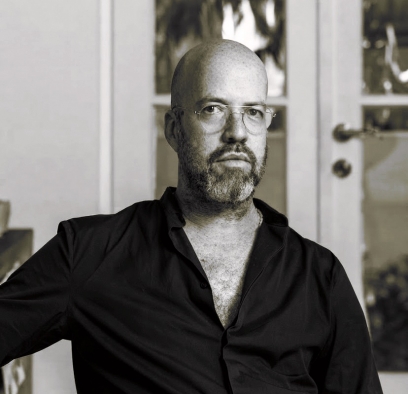 photo: Daniel Hanoch
-
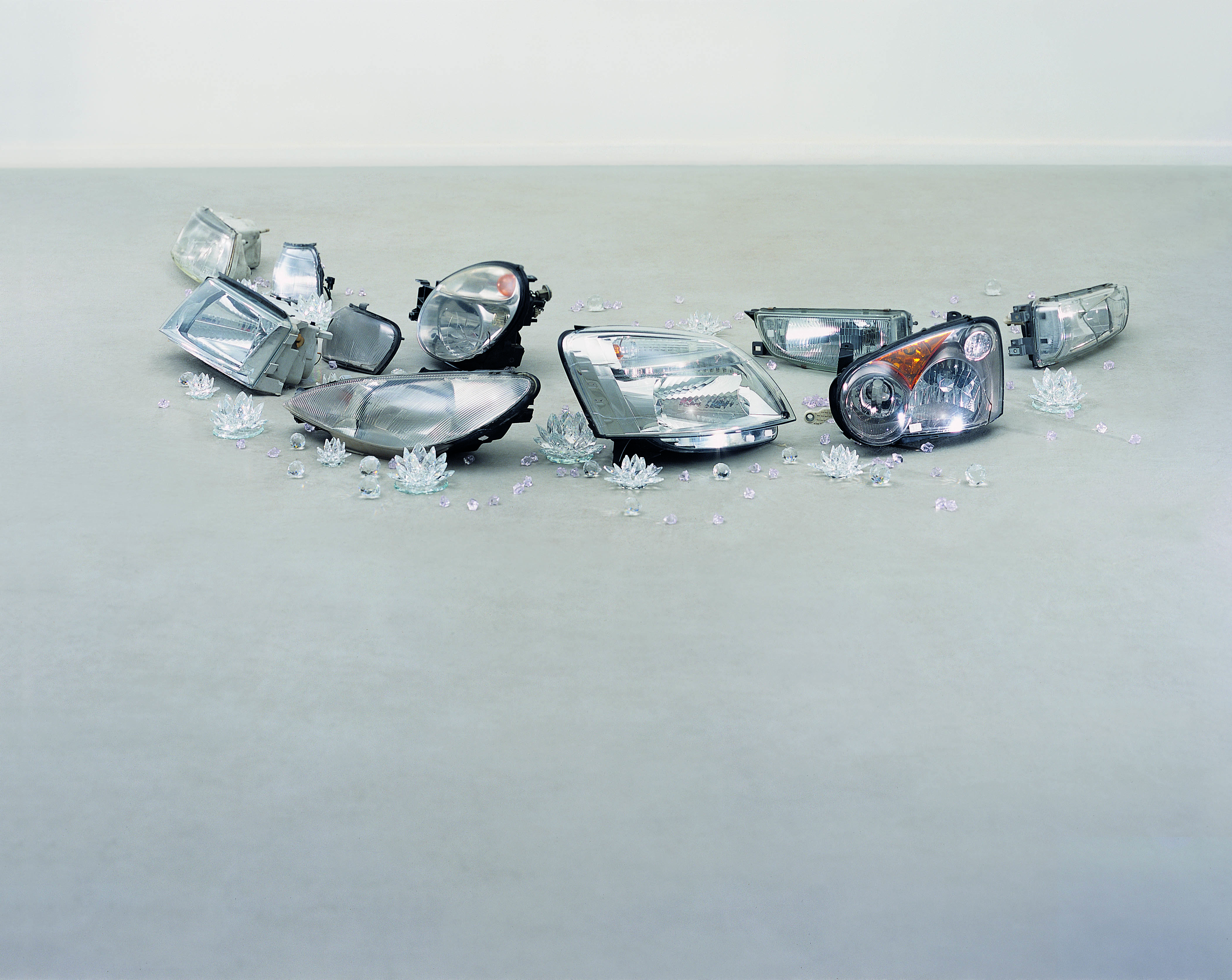
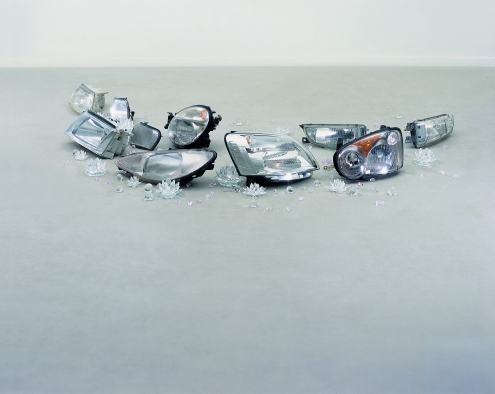 Untitled, 2004, Car Headlights and Crystals (From: BareBack, 26th São Paulo Biennial)
-
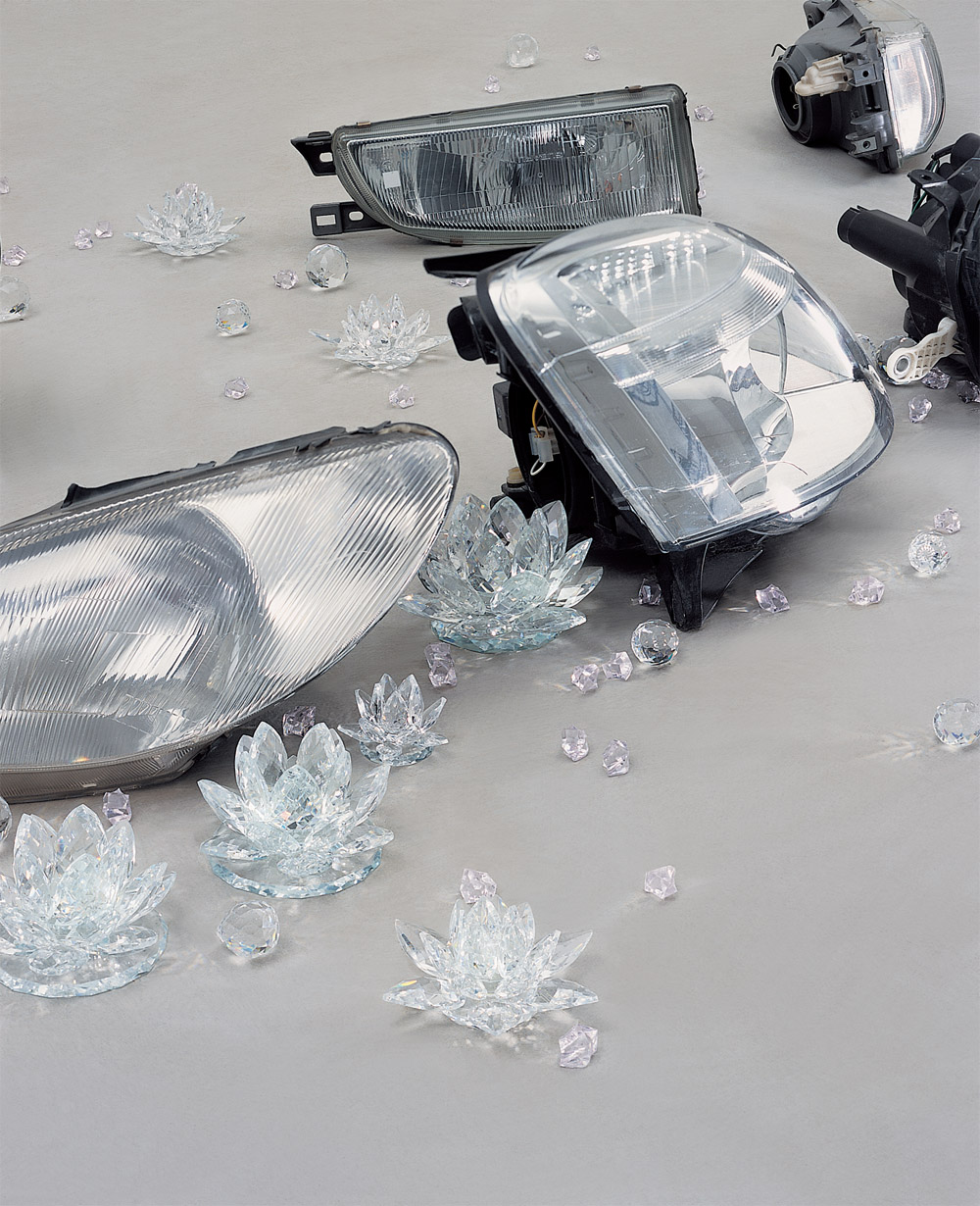
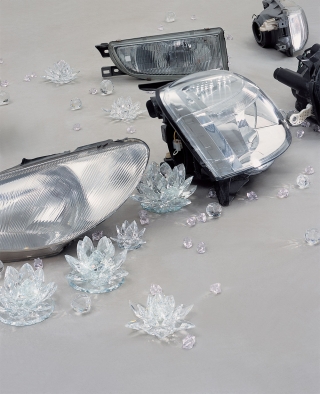 Untitled, 2004, Car Headlights and Crystals , detail(From: BareBack, 26th São Paulo Biennial)
-
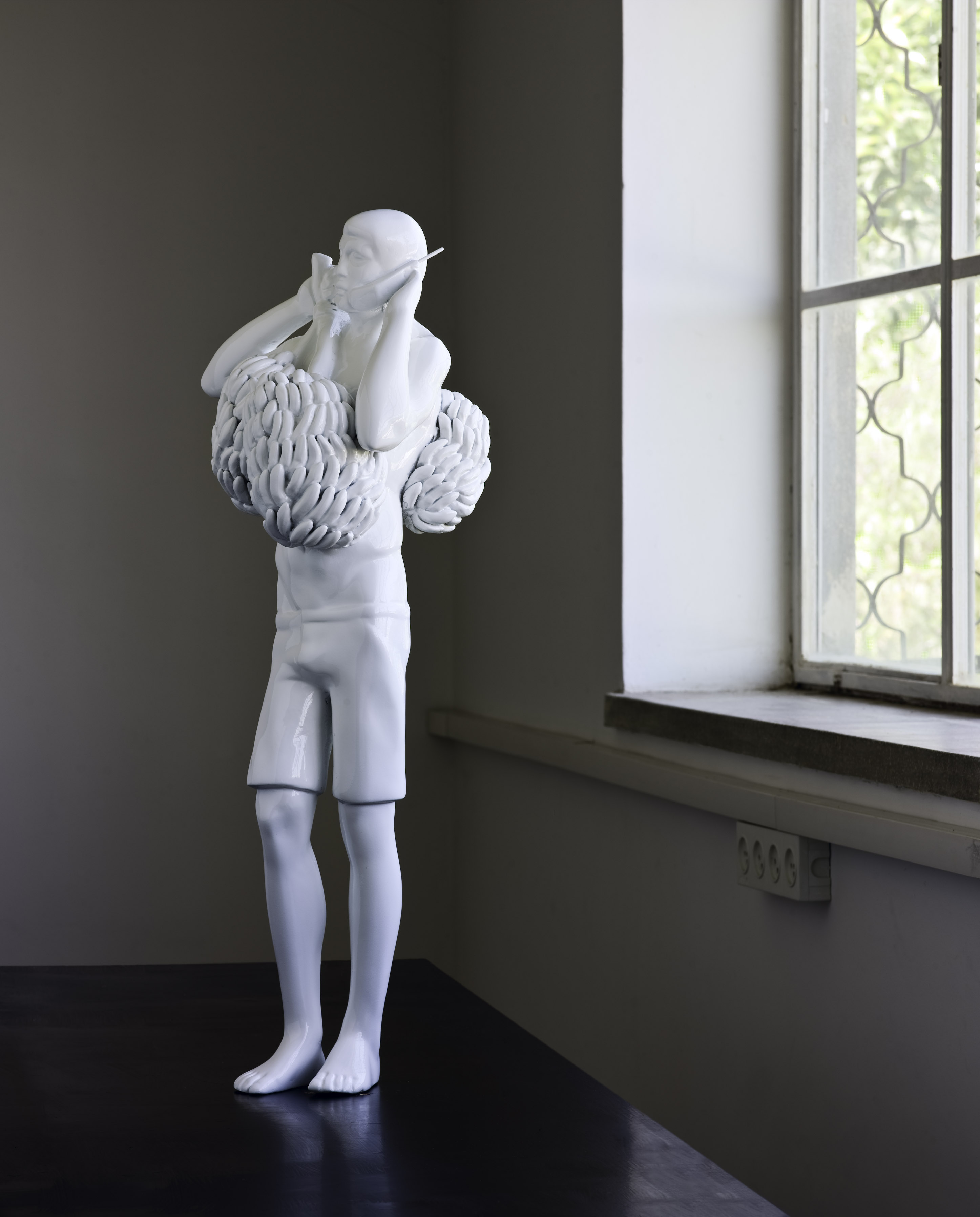
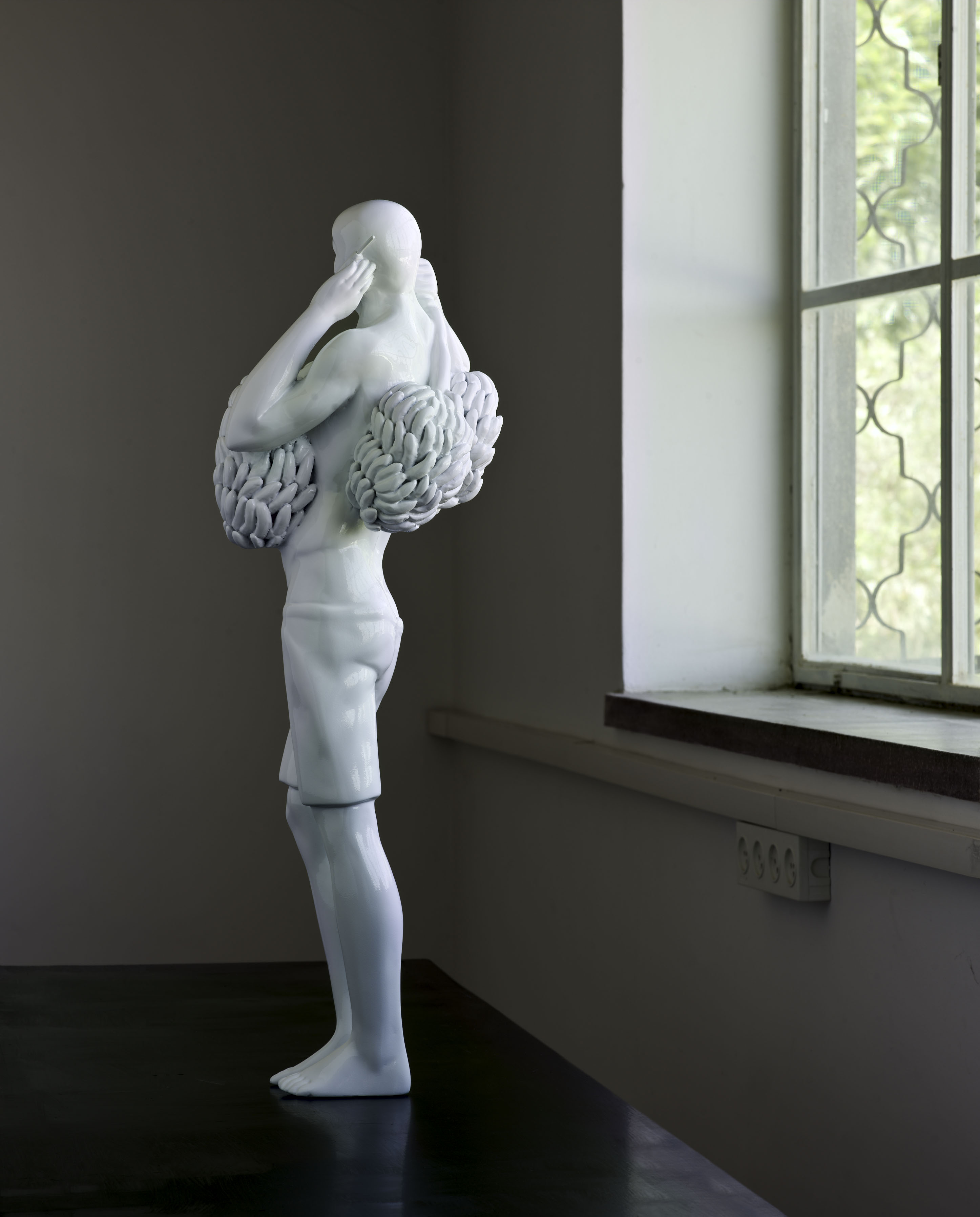
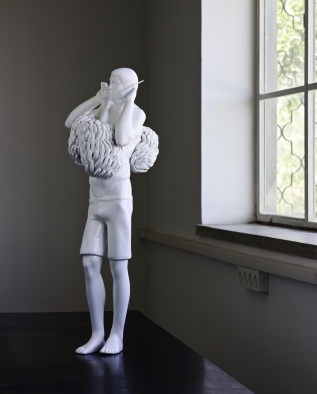 Untitled, 2007, Mixed Media on wooden base
-
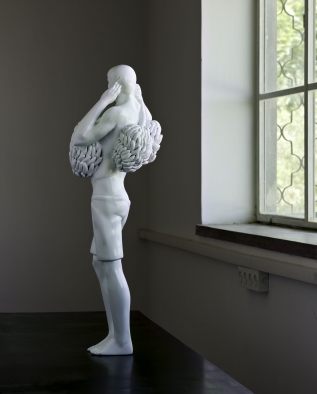 Untitled, 2007, Mixed Media on wooden base
-
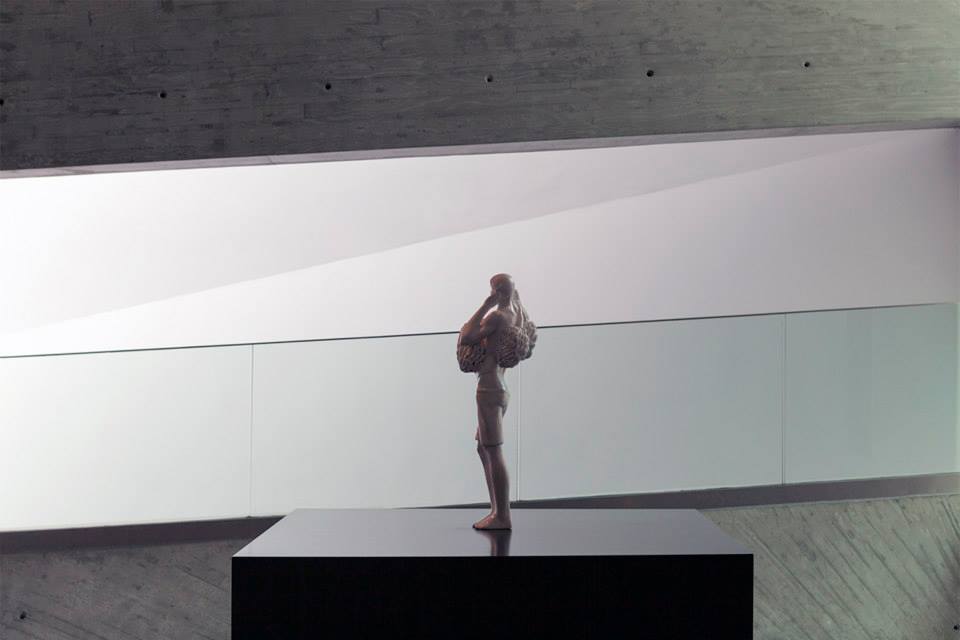
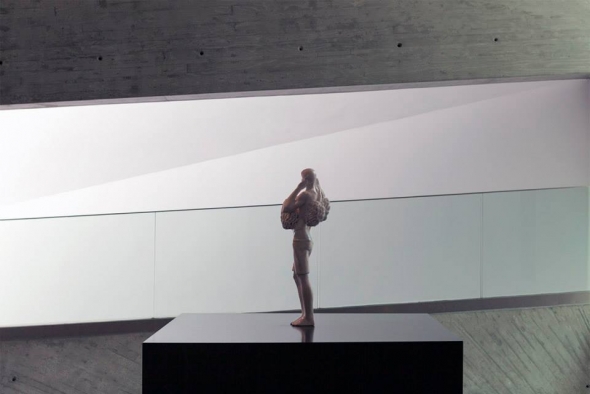 Untitled, 2007, Mixed media on wooden baseInstallation view, Tel Aviv Museum of Art
-
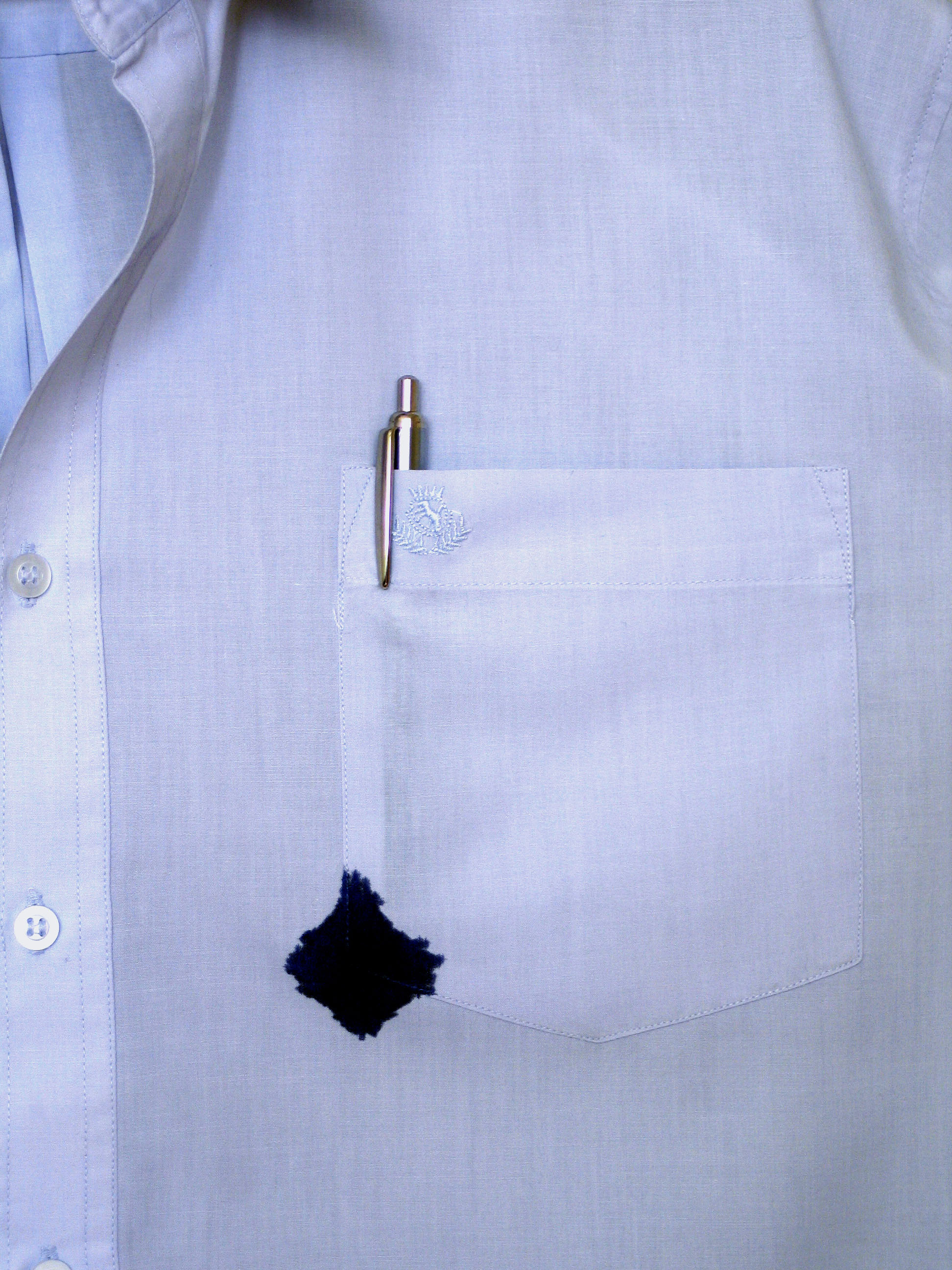
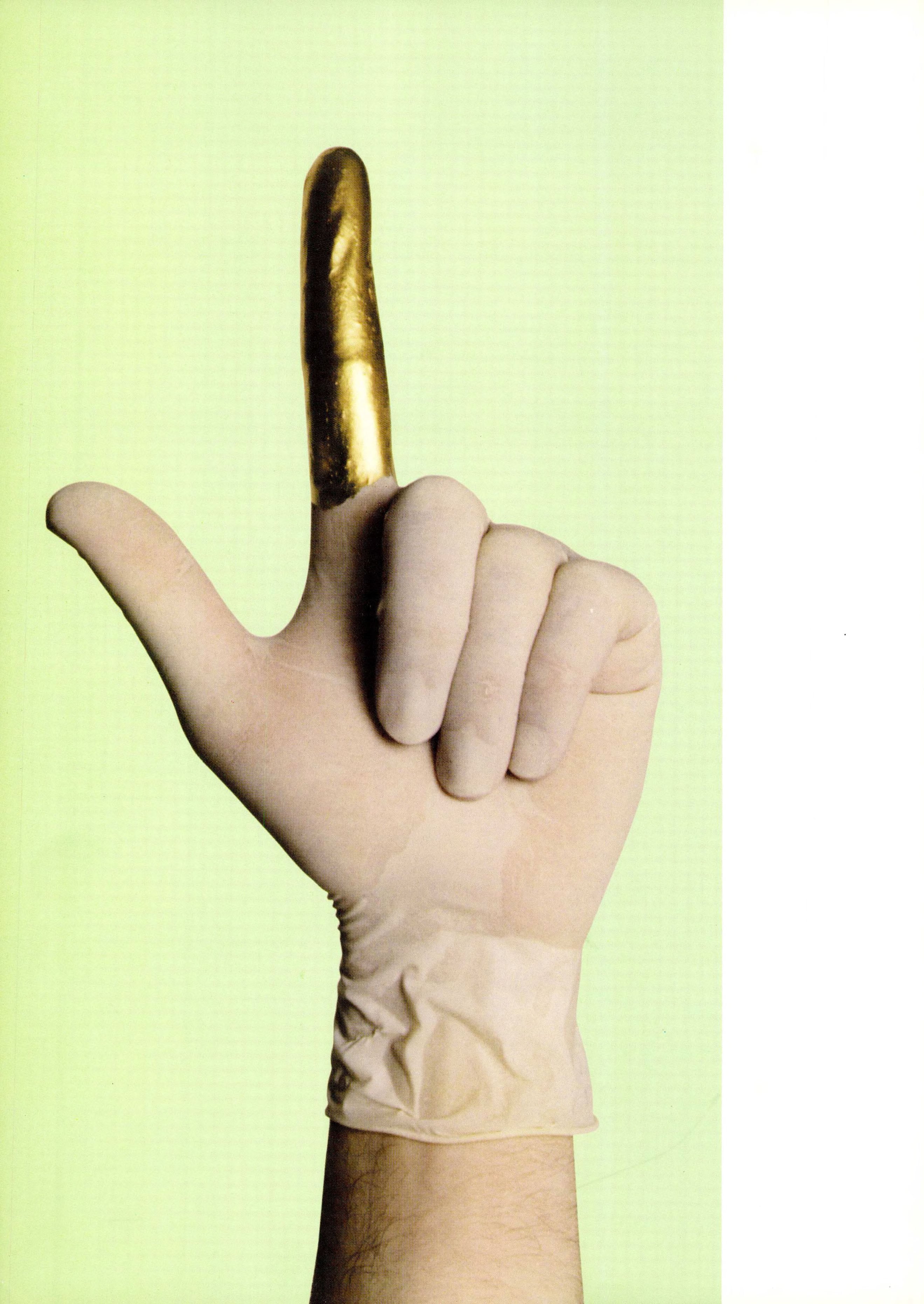
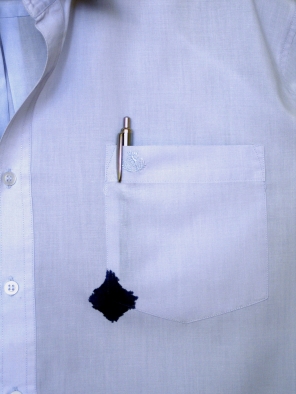 Untitled, 2003, digital print
-
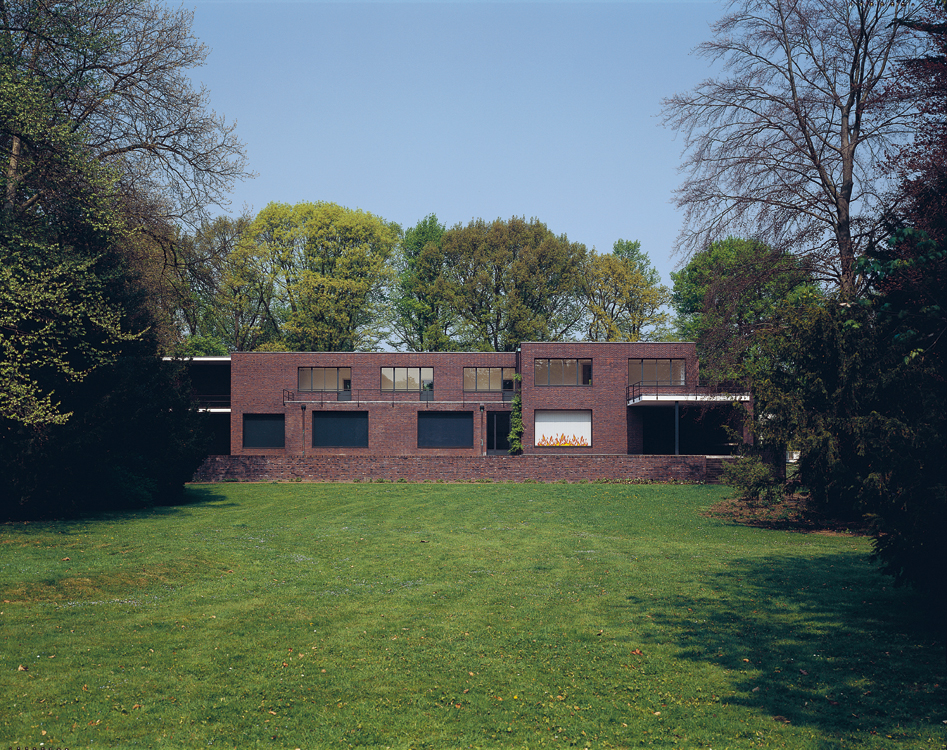
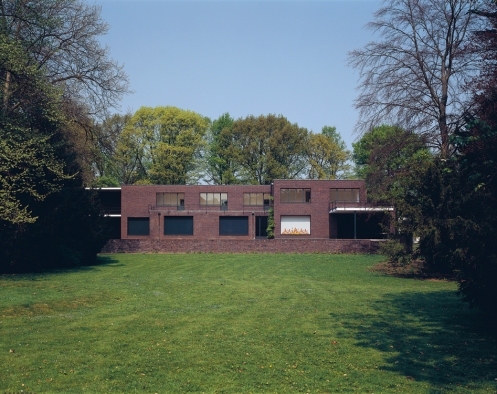 Untitled, 2003, Acrylic on vertical blind (double-sided)Haus Lange and Haus Esters Museum, Krefeld, Germany
-
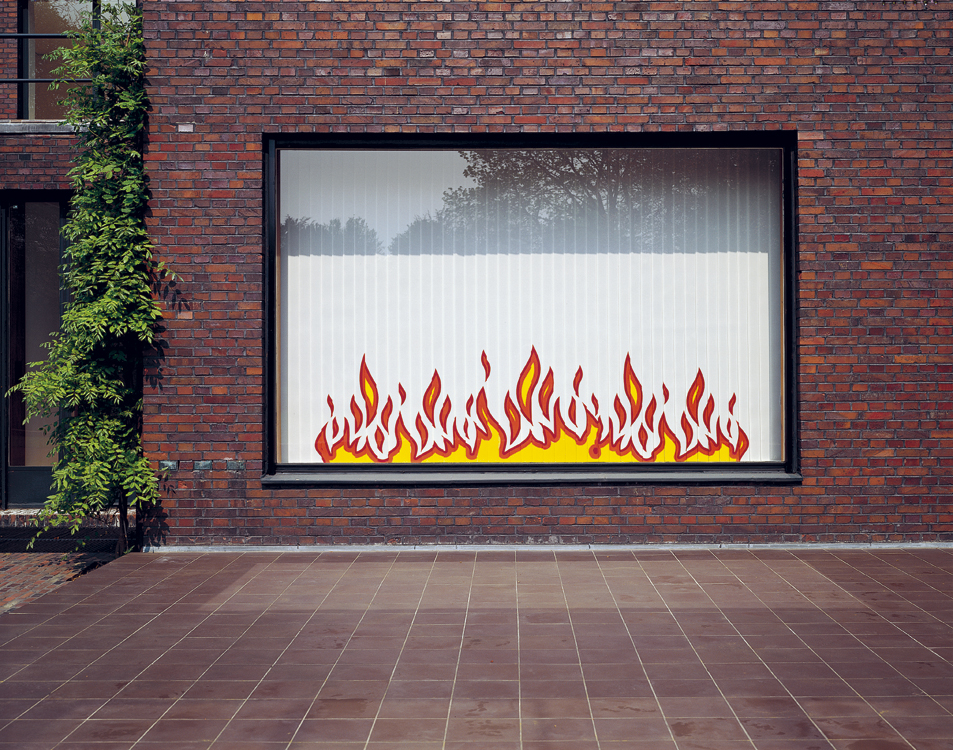
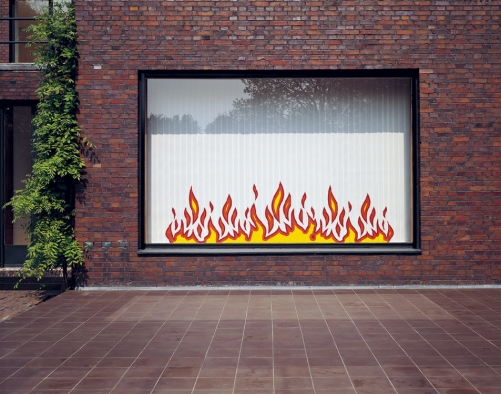 Untitled, 2003, detail. Acrylic on vertical blind (double-sided)Haus Lange and Haus Esters Museum, Krefeld, Germany
-
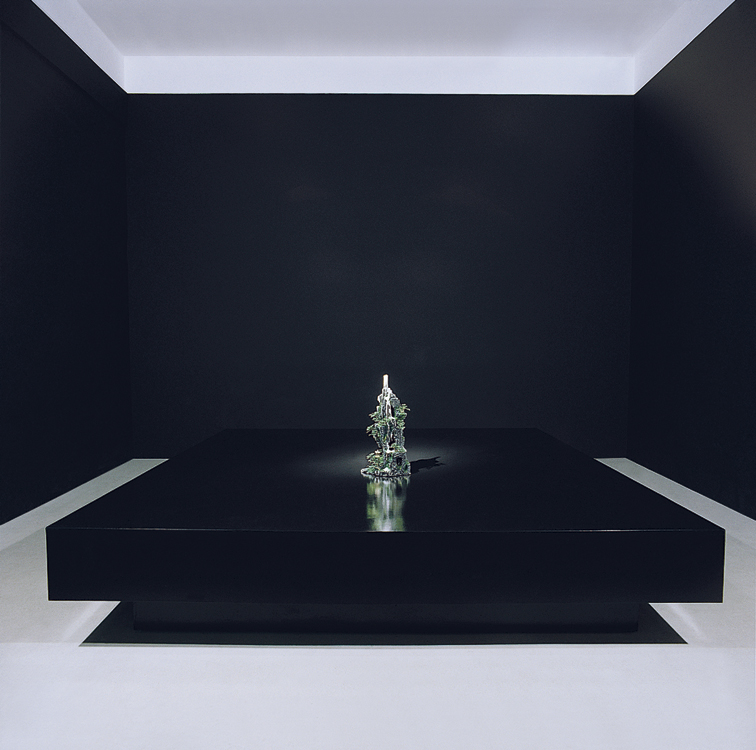
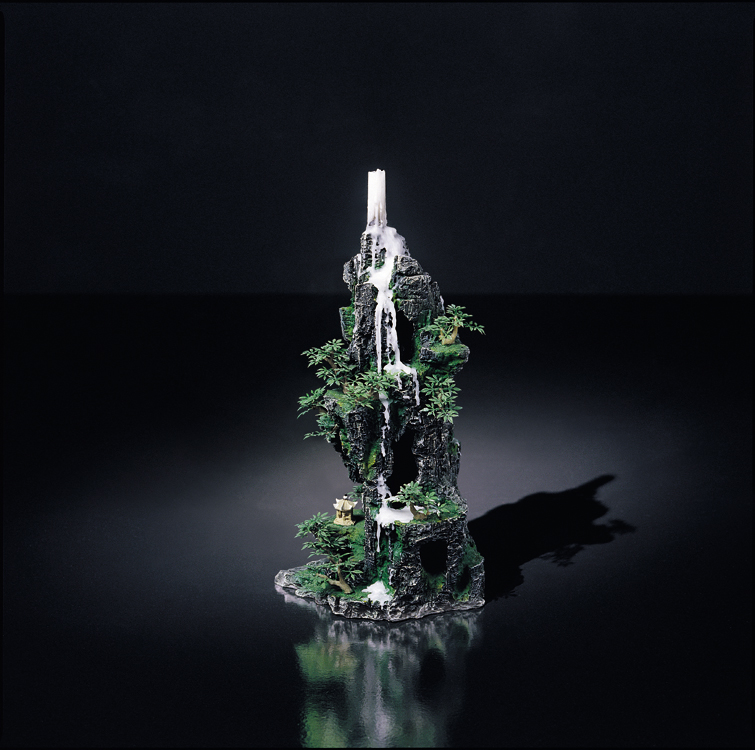
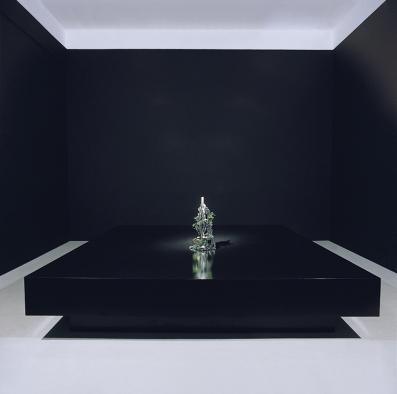 Untitled, 2004,candle on mixed media
-
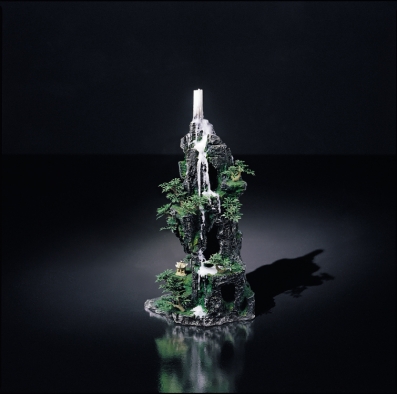 Untitled, 2004,candle on mixed media
-
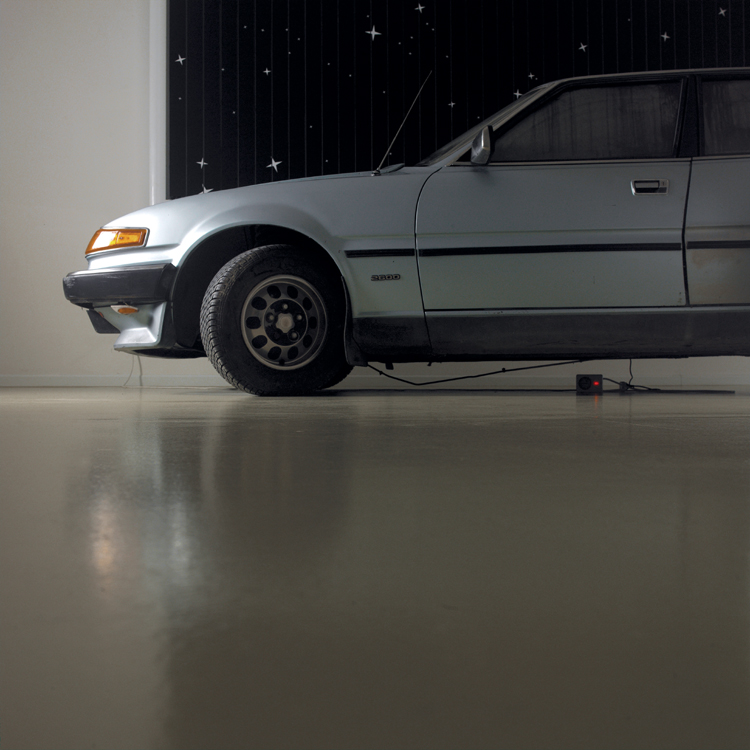
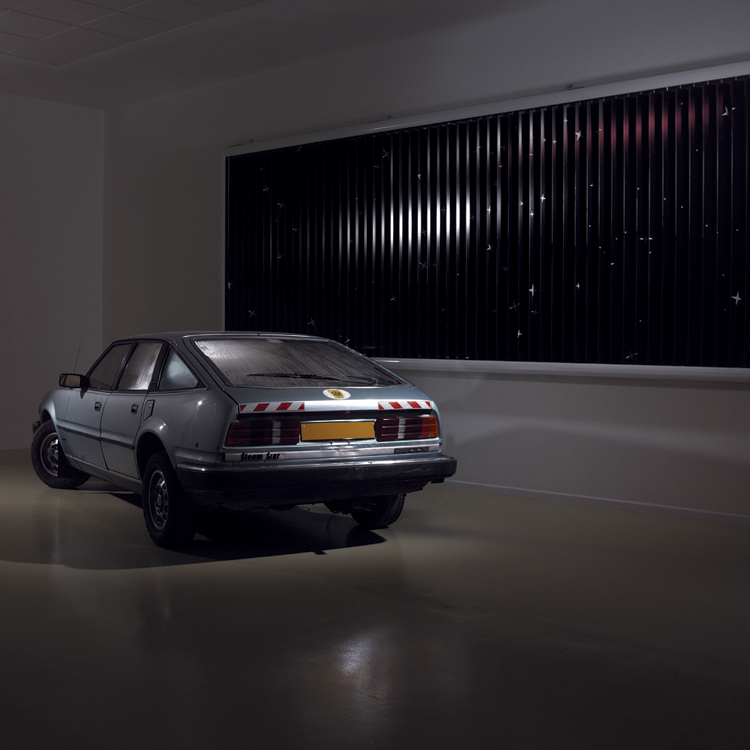
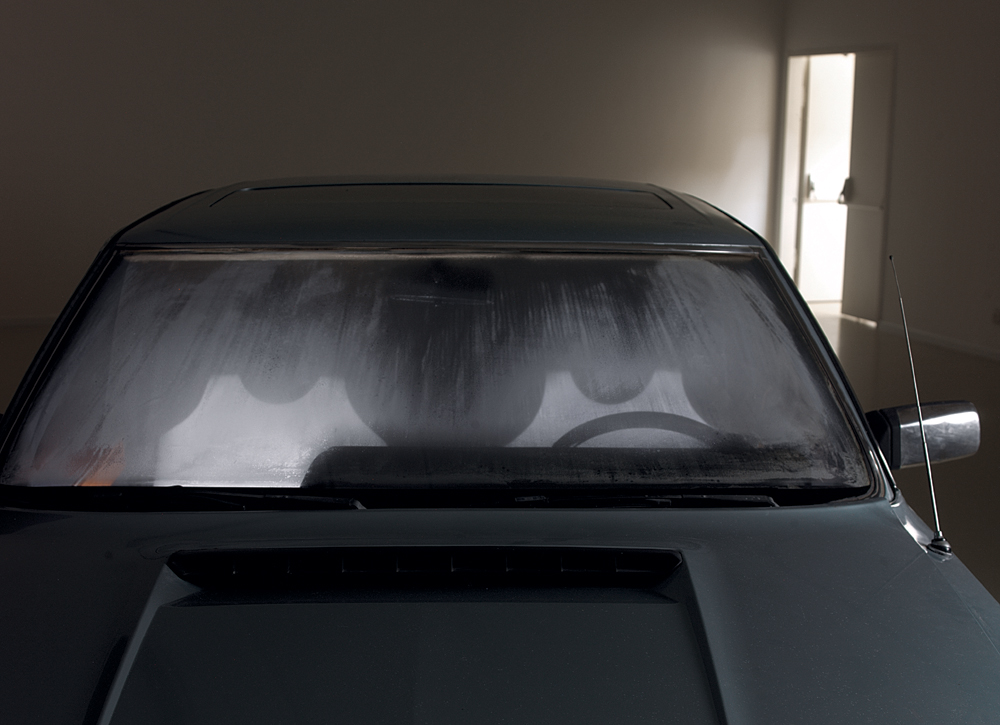
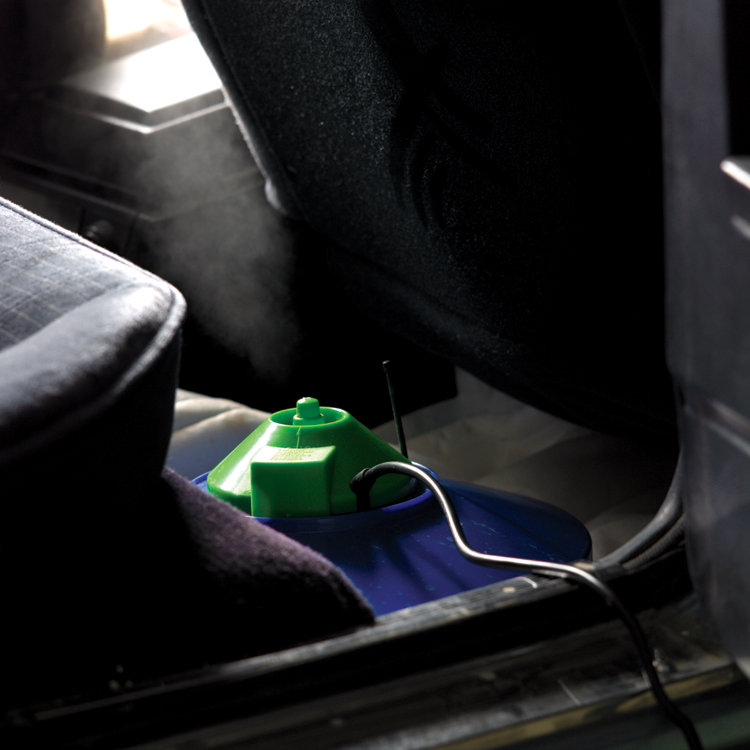
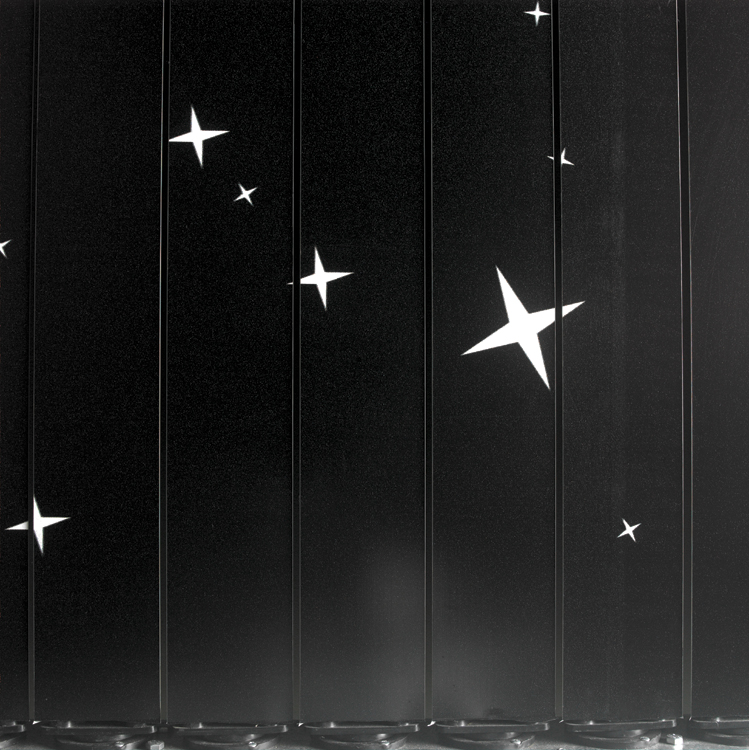
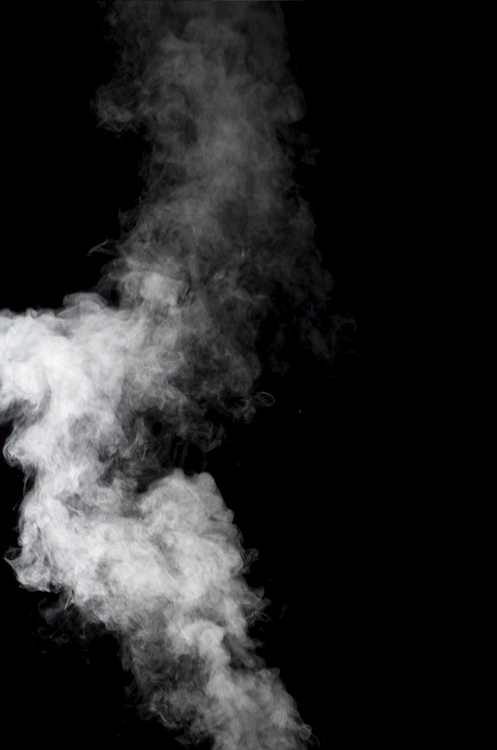
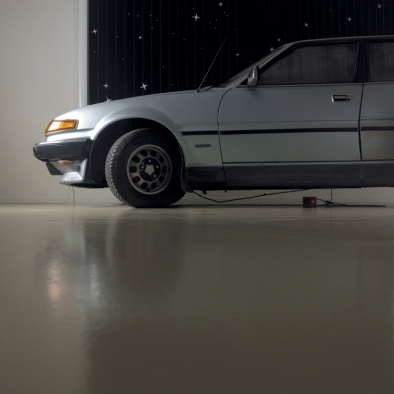 Steam Scar, 2005Car, steam engine, electrically powered rotating prism displayHerzliya Museum of Contemporary Art
-
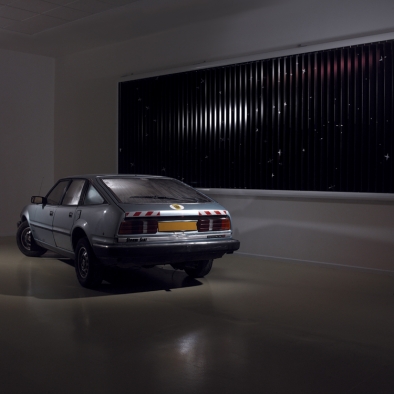 Steam Scar, 2005Car, steam engine, electrically powered rotating prism displayHerzliya Museum of Contemporary Art
-
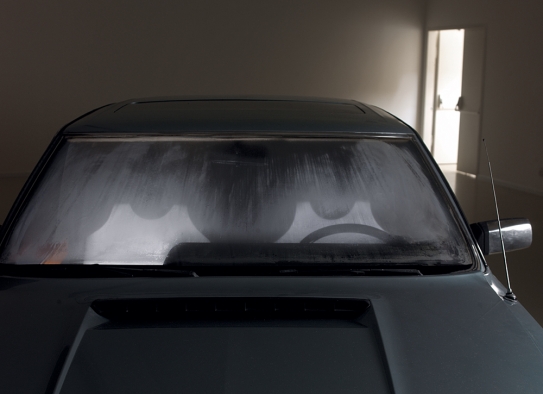 Steam Scar, 2005Car, steam engine, electrically powered rotating prism displayHerzliya Museum of Contemporary Art
-
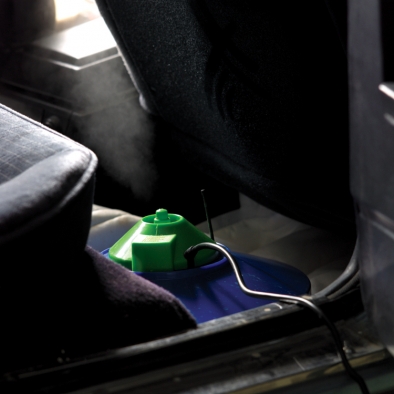 Steam Scar, 2005Car, steam engine, electrically powered rotating prism displayHerzliya Museum of Contemporary Art
-
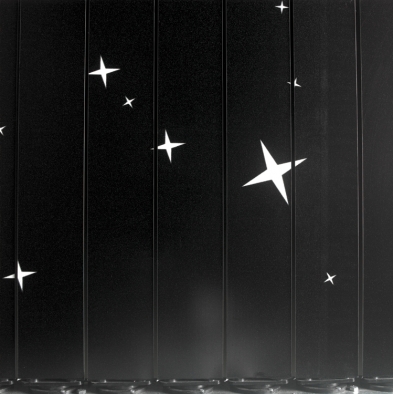 Steam Scar, 2005Car, steam engine, electrically powered rotating prism displayHerzliya Museum of Contemporary Art
-
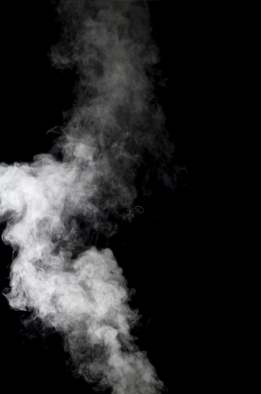 Steam Scar, 2005Car, steam engine, electrically powered rotating prism displayHerzliya Museum of Contemporary Art
-
 Untitled 2008(from the “Engelman” project), Video,9:50 min., loop
-
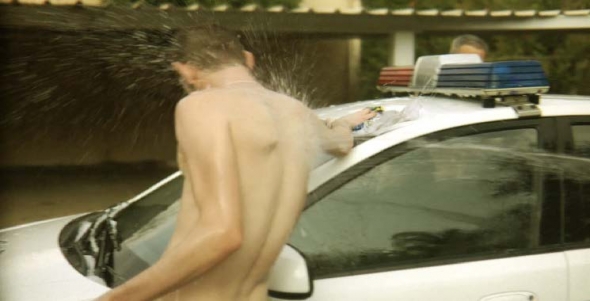 Untitled 2008(from the “Engelman” project), Video,9:50 min., loop
-
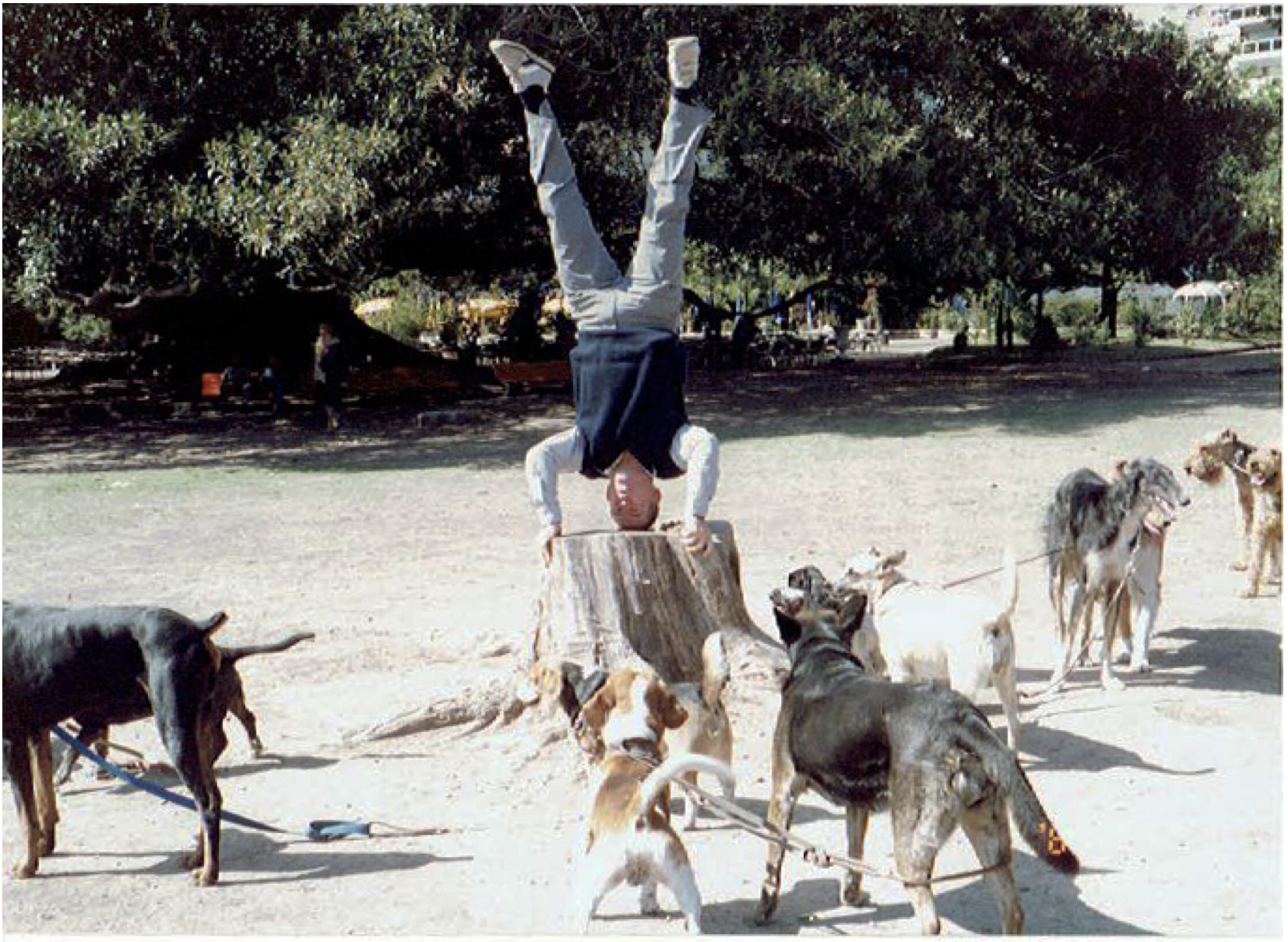
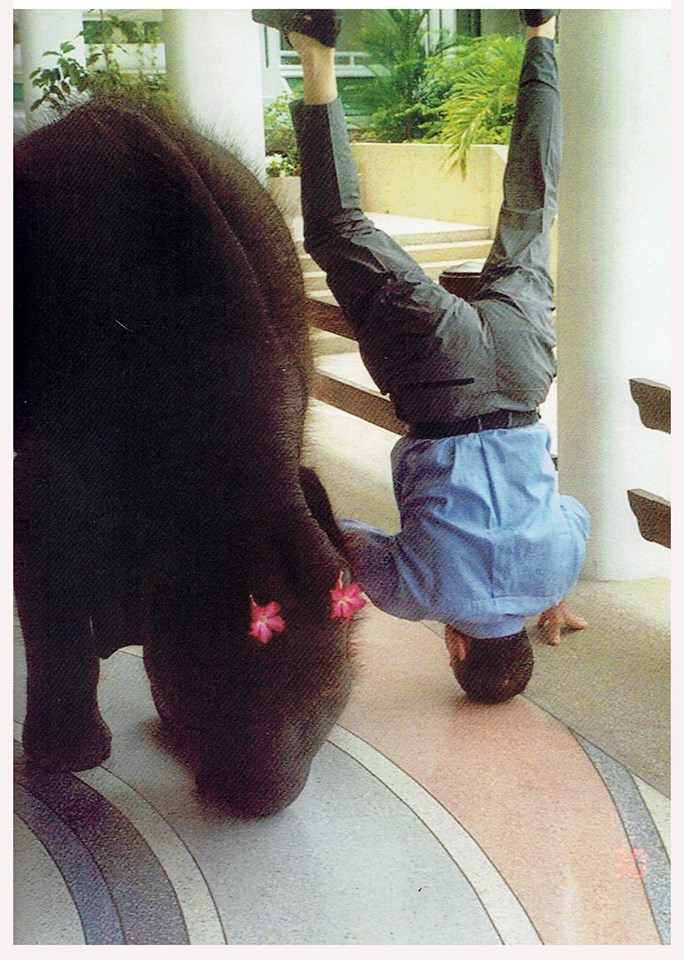
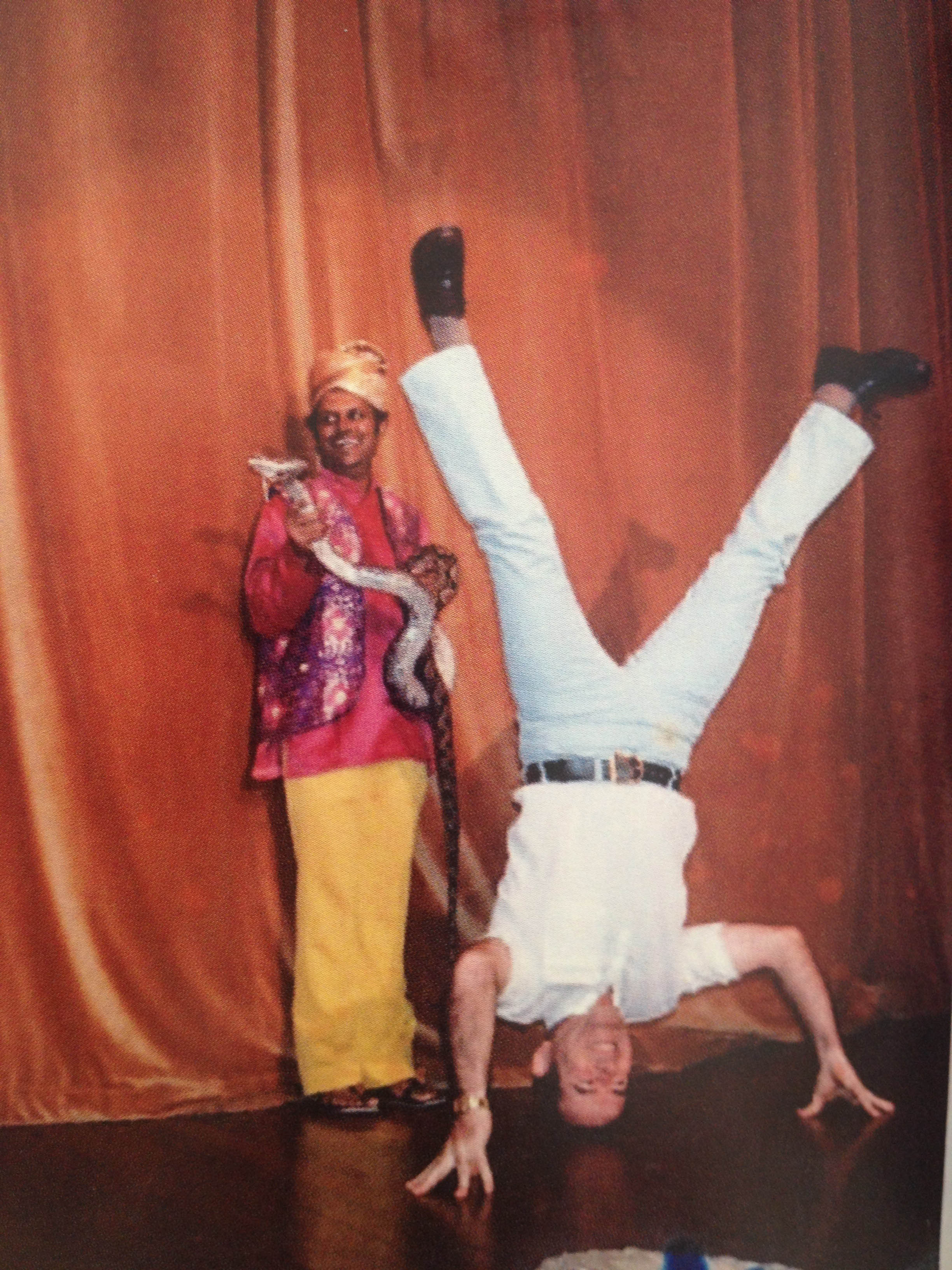
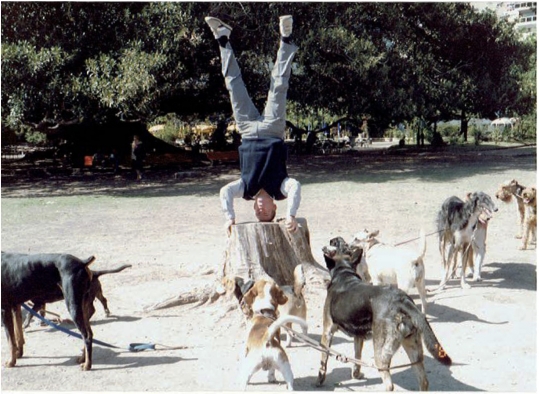 INVERTED FATHER, Digital Prints, 1999 - 2016
-
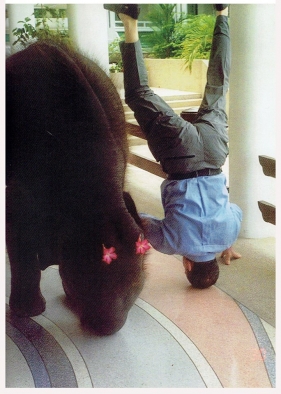 INVERTED FATHER, Digital Prints, 1999 - 2016
-
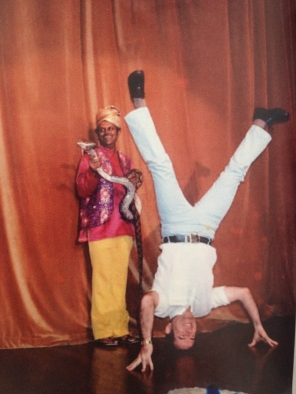 INVERTED FATHER, Digital Prints, 1999 - 2016
-
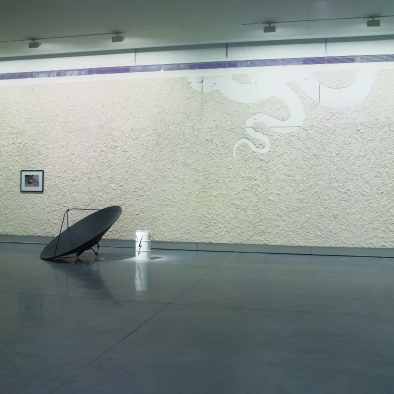 The Next Full Me, 2005Mixed media. Installation view from the exhibition AfterPetach Tikva Museum of Art
-
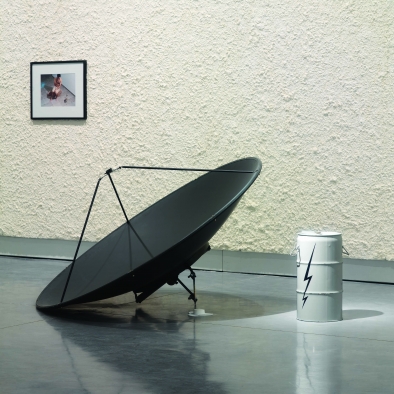 The Next Full Me, 2005Mixed media. Installation view from the exhibition AfterPetach Tikva Museum of Art
-
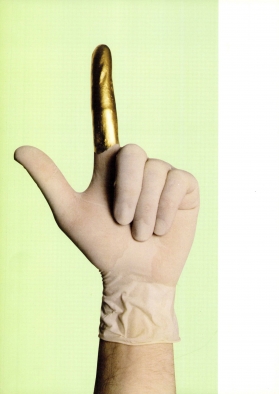 Untitled, 1997, Digital print, from an insert in Studio art magazine
-
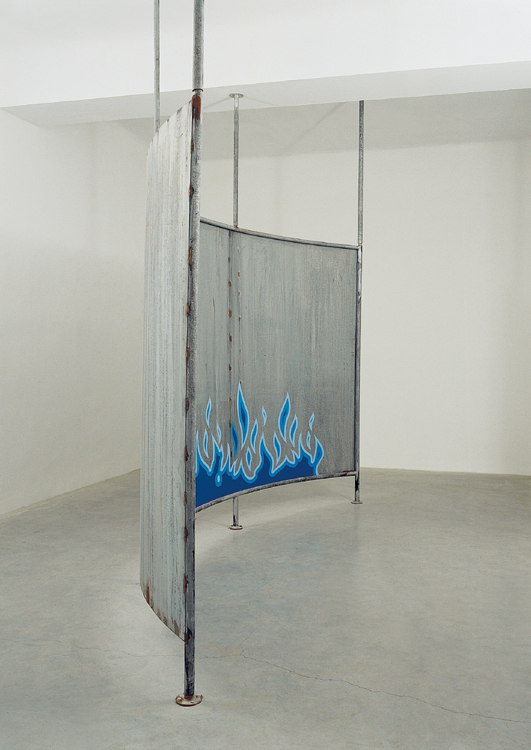
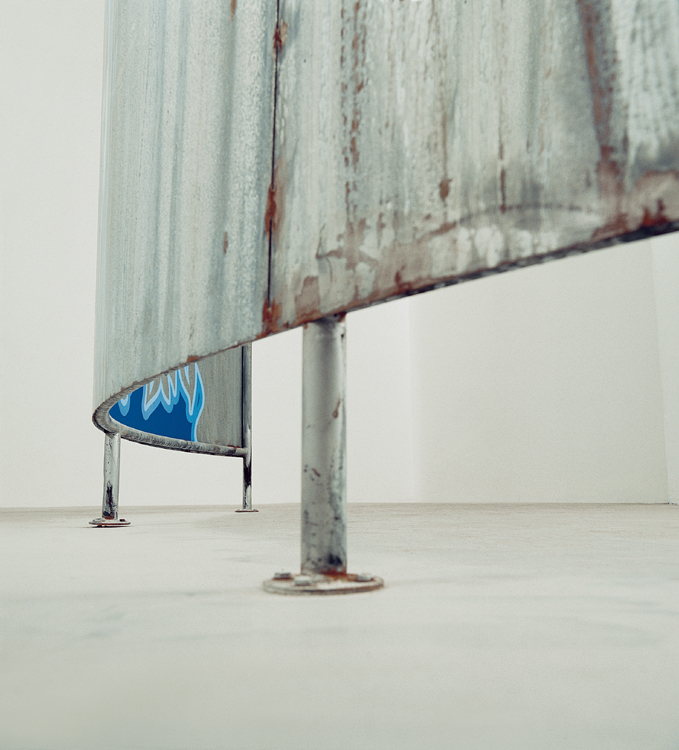
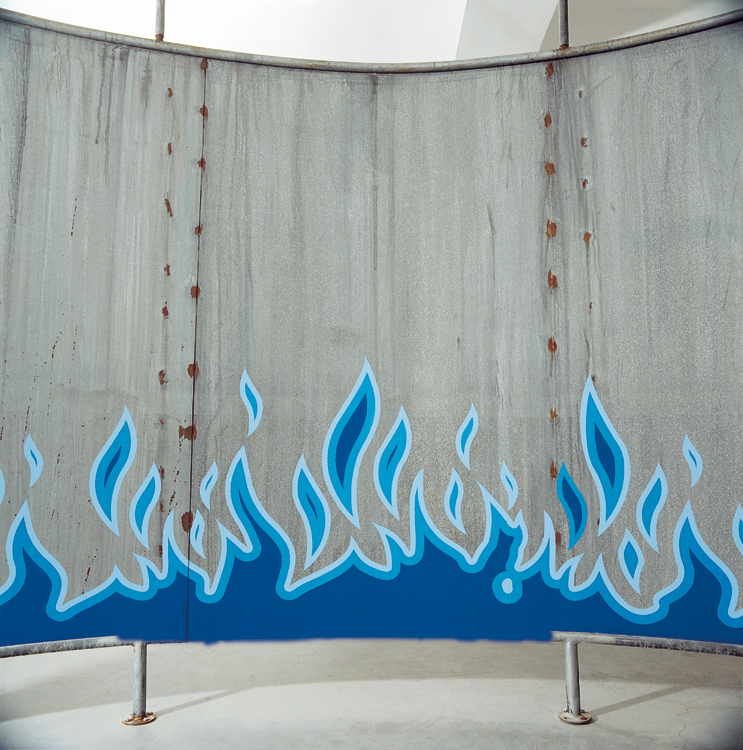
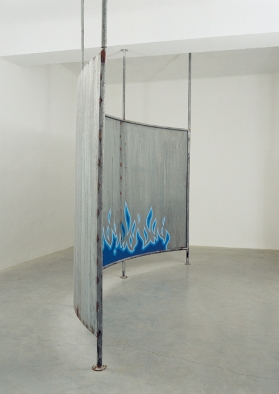 Phoenix, 2003, Acrylic and acid on metal, variable dimensions(installation view, Sommer Gallery, Tel Aviv)
-
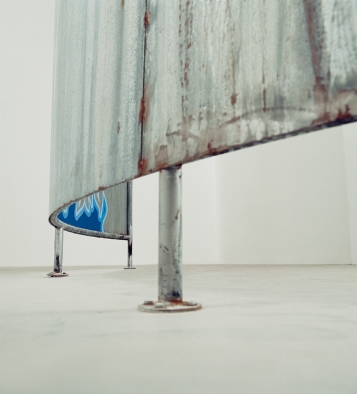 Phoenix, 2003, Acrylic and acid on metal, variable dimensions(installation view, Sommer Gallery, Tel Aviv)
-
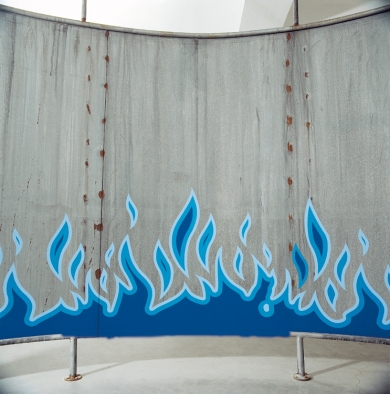 Phoenix, 2003, Acrylic and acid on metal, variable dimensions(installation view, Sommer Gallery, Tel Aviv)
-

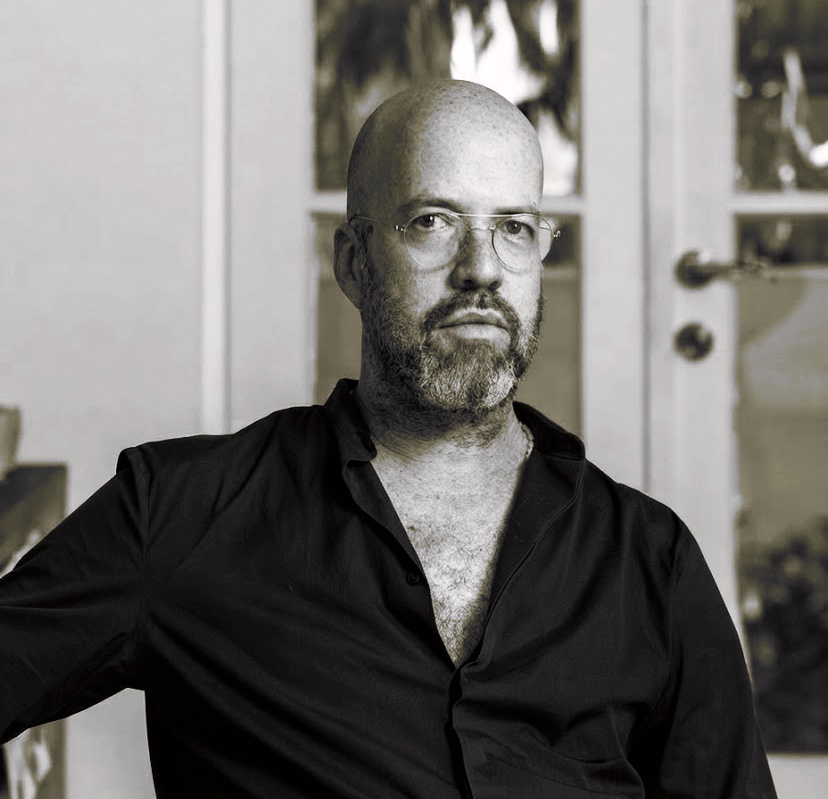

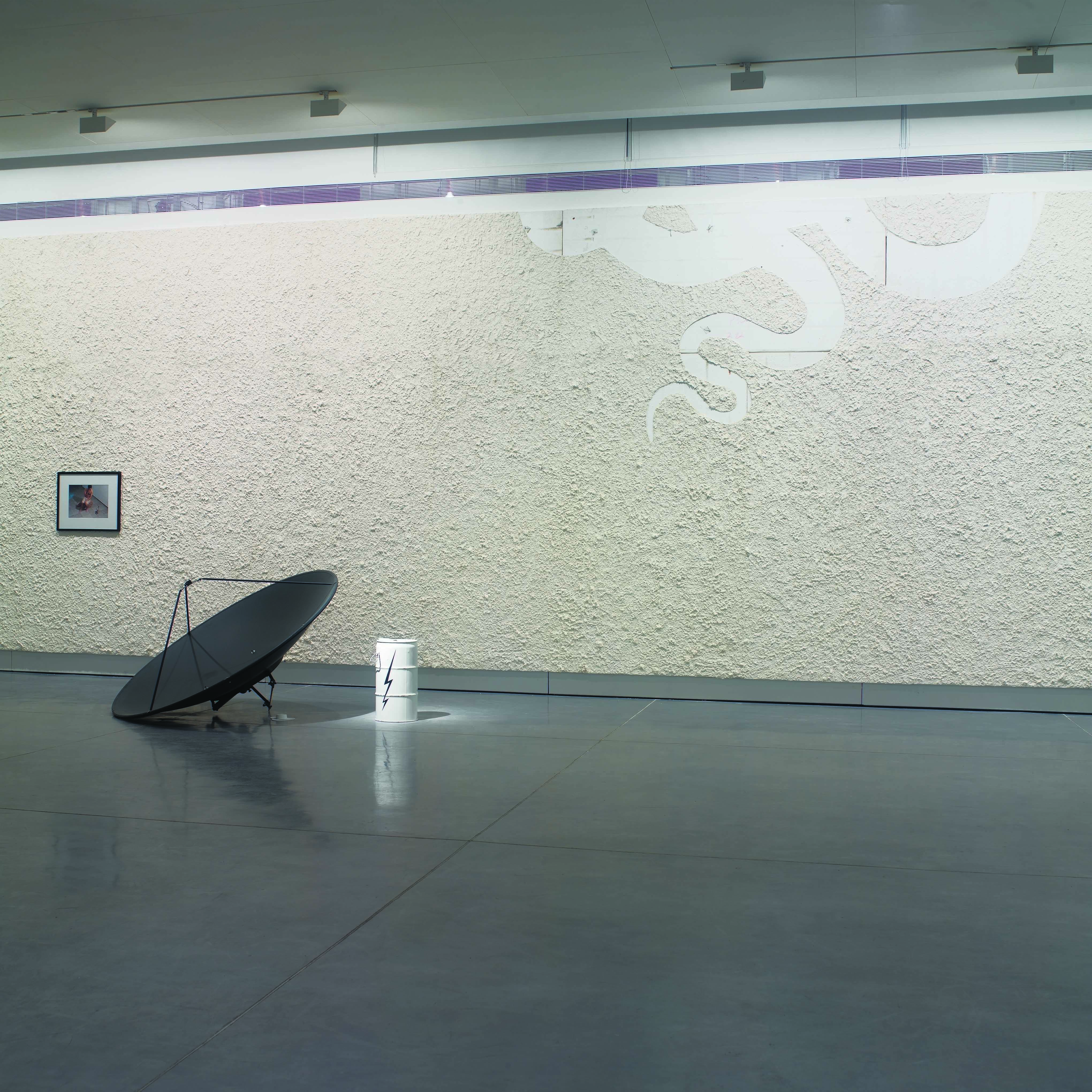
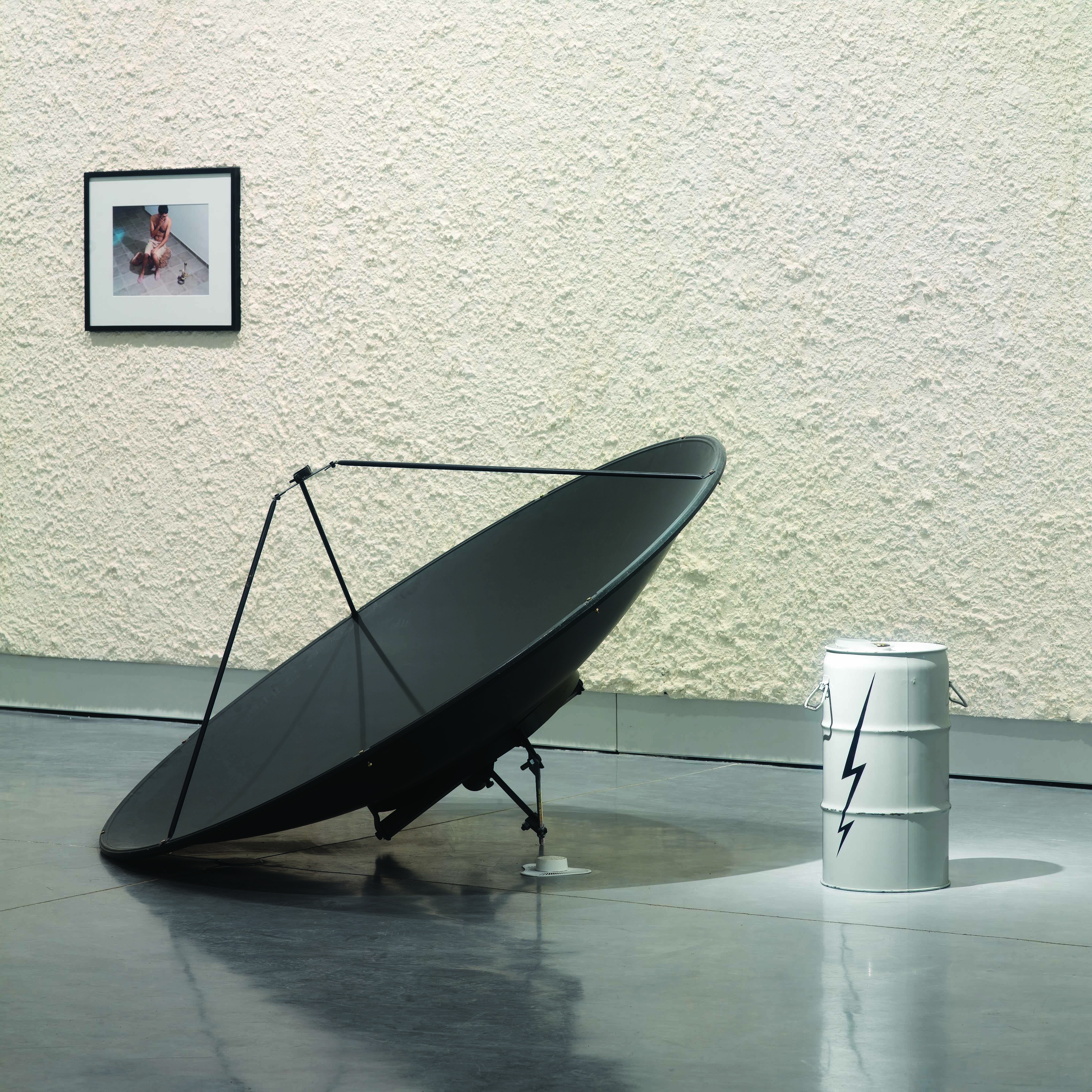

Doron Rabina’s art is consistently occupied with two fundamental concerns, even as its modes of expression, media, and thematic contexts evolve over the years. One is the concept of measure—both as a principle of scale and of internal relations within the work of art, and as a prism through which to observe the world. Measure defines boundaries, relationships, and proportions, thereby determining the conditions under which a thing can exist. The other is the notion of finitude and the devastating force of the end. More than the mere crystallization of an idea into an object, every artistic decision marks the death of a thought, of a movement of consciousness, or of an invention at a given moment in time. Rabina’s art is imbued with an acute awareness of death and the recognition that a work’s emergence in the present is also an extension of its future persistence as a relic and a testament to the traces of life.
Measure and finitude are inextricably bound: to measure is to define the limits of a thing, and defining the limits is always an encounter with finitude. Measurement gives a thing its form and boundaries, while at the same time precluding its other possibilities.